

Artificial intelligence has transformed nearly every aspect of modern hiring—from automated résumé screening to AI-powered virtual interviews. Yet this very technology is now pushing employers back toward an old-fashioned practice: the in-person job interview.
In recent years, virtual interviews became the norm as remote work expanded and companies sought faster, more efficient hiring processes. But with the rise of AI tools like ChatGPT and voice-cloning software, recruiters say digital interviews are becoming increasingly unreliable. Candidates are using AI to generate real-time answers, and in some cases, impostors are using deepfakes to secure remote jobs under false identities.
AI Is Forcing the Return of the In-Person Job Interview
Recent surveys show a clear shift back toward in-person job interviews as employers grow wary of AI-assisted cheating and identity fraud in virtual hiring. In the U.S., about 51% of hiring managers now prefer face-to-face interviews, while 40% use hybrid methods that include at least one in-person round. Industries such as technology, consulting, and finance—where skill authenticity and interpersonal abilities are critical—are leading this return. Although over 80% of companies still conduct virtual interviews for initial screenings, many are reinstating on-site final rounds to verify candidates’ real capabilities, reduce fraud risk, and rebuild human trust in the hiring process.
U.S. hiring managers: preference for in-person interviews
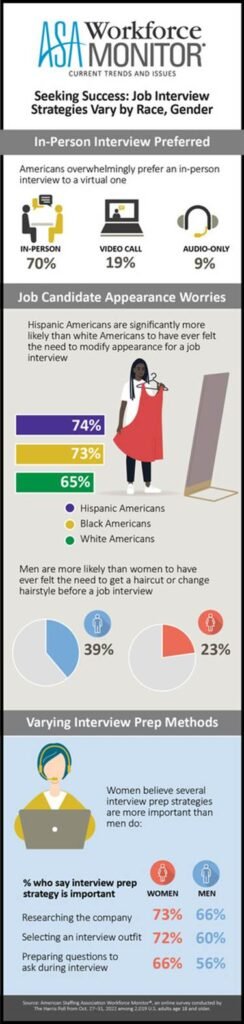
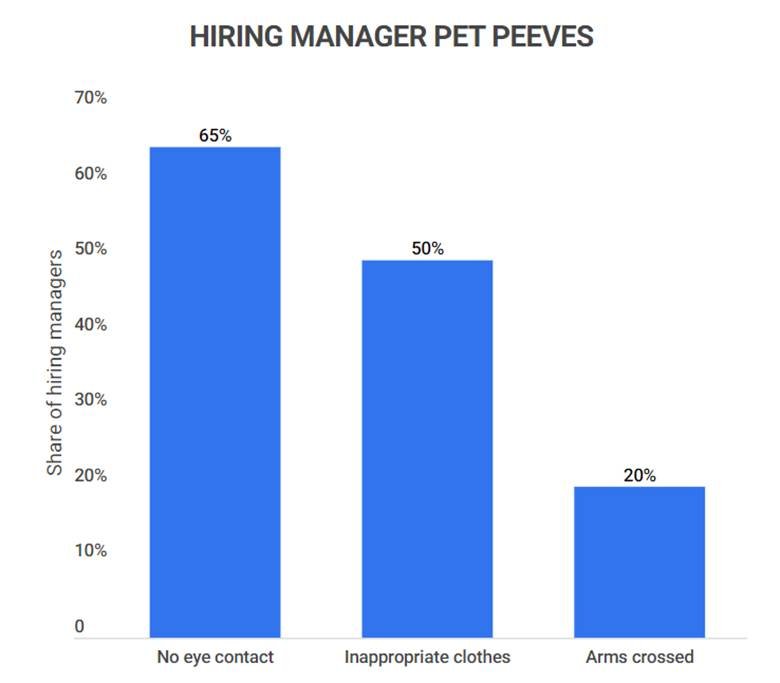
- A survey by Express Employment Professionals / The Harris Poll found that 51% of U.S. hiring managers prefer in-person interviews rather than virtual ones.
- In the same survey: 8% of managers said they conduct only virtual interviews, and 40% said they use a combination of in-person and virtual.
- This suggests a substantial tilt back toward face-to-face where possible in U.S. hiring.
Usage of virtual interviews remains high but rising suspicion of fraud/AI is driving change
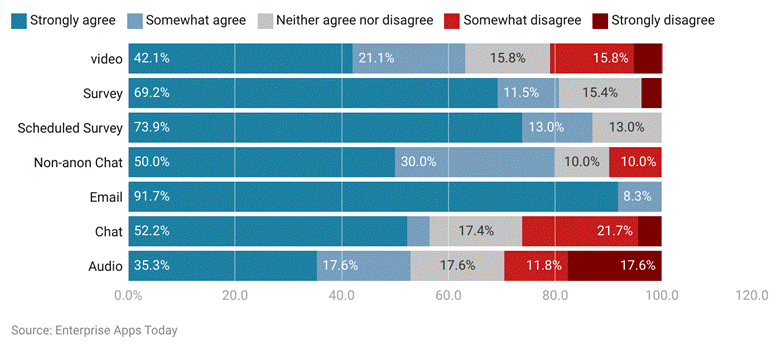
- A report indicates that around 82% of employers currently use virtual interviews as part of their recruitment process.
- Another source says “nine in ten organisations” are still conducting virtual interviews in early stages.
- Although virtual remains dominant at initial stages, the fact that over half of hiring managers prefer in-person interviews reflects the growing concern about authenticity and reliability of virtual rounds.
In-person final rounds or shifting back to on-site work
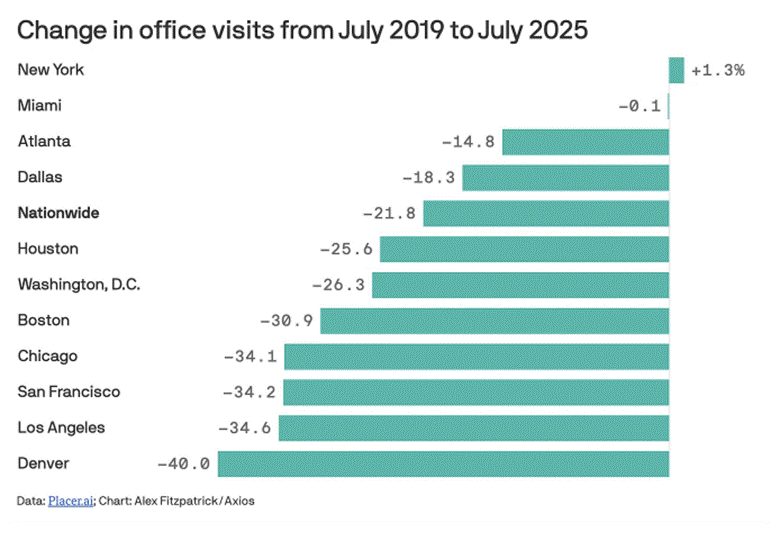
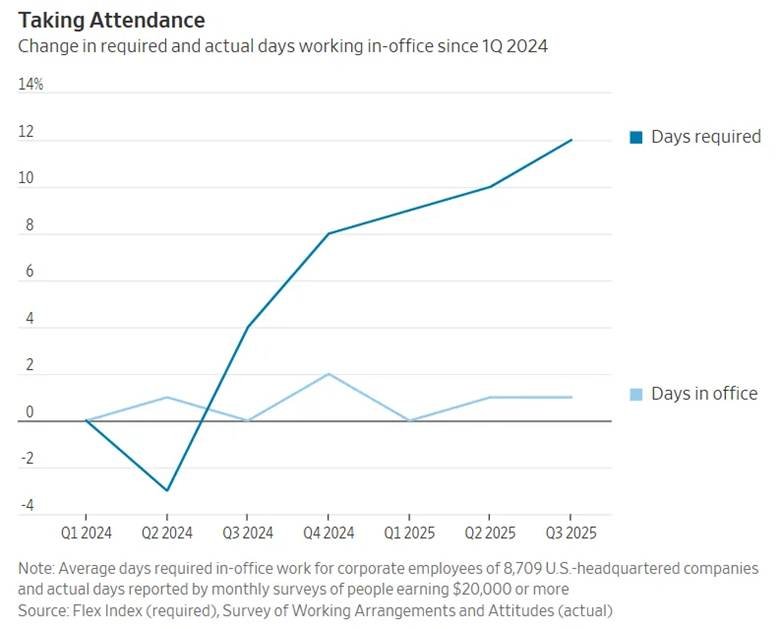
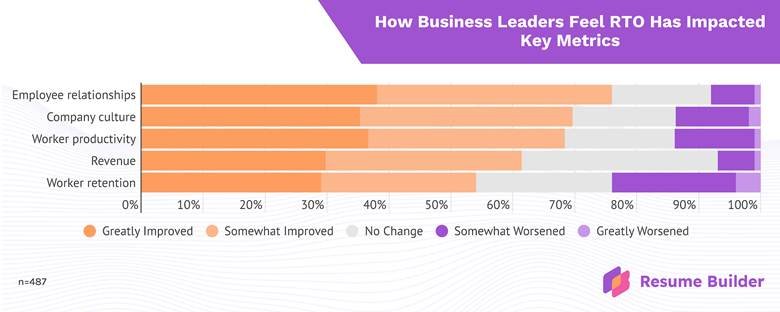

- A survey of companies’ work-location strategy states: 22% of companies have already returned to a fully in-office model by a recent date; an additional 5% plan to adopt full in-office by end of 2025.
- Hybrid remains the most common: 67% of organisations offer some flexibility.
- This trend toward more on-site engagement also supports the notion that in-person interviews might be increasingly expected (especially later rounds) as part of the broader shift.
By region / industry: piece-wise data
- In the report LinkedIn’s Global State of Remote and Hybrid Work (Sept 2024): In the U.S., for small companies in Financial Services, 24.2% of hires in that sector were remote. In Germany/UK the numbers were lower.
- The academic study In-Person, Hybrid or Remote? Employers’ Perspectives on the Future of Work Post-Pandemic analysed 129 North-American employers by sector and found that sectors such as Transportation/Warehousing and Manufacturing—those traditionally in-person—are more likely to revert toward on-site.
- Although these figures relate more to work‐location than interview format, they illustrate how industry influences on-site vs remote are relevant and likely mirror interview practices.
When Technology Becomes Too Smart
Recruiters have noticed a troubling trend: candidates relying on AI during virtual interviews. According to Mike Kyle, managing director of technology recruitment at Coda Search/Staffing in Dallas, “Everything’s come full circle.” He estimates that in 2025, about 30% of his clients now require at least one in-person interview, up from just 5% in 2024.
The shift isn’t just about authenticity—it’s about protecting companies from scams. In 2023, the FBI indicted several North Korean nationals who used fake identities to secure remote IT jobs with U.S. companies, earning salaries under false names. These incidents highlighted how AI-driven deception can create real-world risks for employers.
Big Names Go Back to Basics
Major corporations are leading the return to face-to-face meetings. Google, for instance, has reinstated in-person interviews for certain technical positions to ensure candidates possess genuine coding skills. “We are making sure we’ll introduce at least one round of in-person interviews for people, just to make sure the fundamentals are there,” said Google CEO Sundar Pichai on the Lex Fridman Podcast.
Similarly, Cisco has begun incorporating physical interviews at later stages of the hiring process after encountering fraudulent candidates who misrepresented their identities or even their location. According to Kelly Jones, Cisco’s chief people officer, “Just raising the prospect of an in-person interview can weed out potential scammers. It’s happened where people just go quiet after that.”
Consulting giant McKinsey & Company has also adjusted its hiring policy. About 18 months ago, the firm began encouraging at least one face-to-face meeting for each candidate, in part to evaluate how applicants build rapport—a skill essential for client-facing roles. “We’re seeing people using AI augmenting tools during interviews to help them perform differently,” said Blair Ciesil, a partner and co-lead of recruiting at McKinsey. “That’s why we’re putting more emphasis on in-person interactions.”
A New Type of AI Arms Race
This return to physical meetings marks a surprising twist in the ongoing “AI arms race” between job seekers and employers. Initially, companies used AI-driven software to filter résumés and manage massive pools of applicants. In response, job seekers began using AI to automatically generate cover letters, polish interview responses, and even apply to hundreds of positions at once.
But as both sides lean on artificial intelligence, the human element—the ability to read subtle cues, body language, and trustworthiness—has become harder to verify through a screen.
A 2025 Gartner survey of 3,000 job seekers revealed that 6% admitted to committing some form of interview fraud, such as having someone else pose for them or using digital tools to enhance performance. Gartner predicts that by 2028, one in four job candidate profiles worldwide could be fake.
The Human Factor Returns
Companies are now investing in technologies to verify identities and detect deepfakes. For example, Greenhouse, a popular hiring platform, partnered with Clear, the biometric verification service known for speeding up airport security lines, to confirm candidate identities. Similarly, Cisco has been testing systems that use biometric verification to ensure applicants are who they claim to be.
Yet even with these safeguards, nothing compares to meeting someone in person. Many employers say that face-to-face interactions reveal qualities that no AI system—or virtual interview—can fully measure: authenticity, emotional intelligence, and genuine enthusiasm.
Rosa Bazyluk, head of talent acquisition at AI-powered mortgage lender Tomo, noted, “We’ve seen applicants use technology to alter their voices or video feeds. You start to notice small things—delayed reactions, typing sounds, or whispering off-screen—that signal something’s off.”
Back to the Office—At Least for Interviews
Ironically, the same technology that enabled widespread remote work is now driving a partial return to the physical office—if only for interviews. Even a single in-person meeting helps employers confirm that candidates are real, qualified, and aligned with company culture.
As AI tools become more powerful, hiring will likely continue to evolve. But for now, employers are rediscovering the timeless value of human interaction. Whether it’s a handshake, eye contact, or spontaneous conversation, these moments reveal something no algorithm can replicate.
After years of automation and digital filters, the in-person interview is making a comeback—not despite AI, but because of it.