
Ask Jeeves launched in the late 1990s with a memorable butler mascot and a simple promise: let users ask questions in plain English and get answers. The idea was fresh, but by the mid-2000s Ask Jeeves had been rebranded to Ask.com, acquired by IAC, and gradually ceded the core search market to rivals — most notably Google. Below I explain the concrete reasons it failed to keep its position, and what product and marketing teams can learn from its decline.
Ask Jeeves Quick Timeline (Fast Facts)
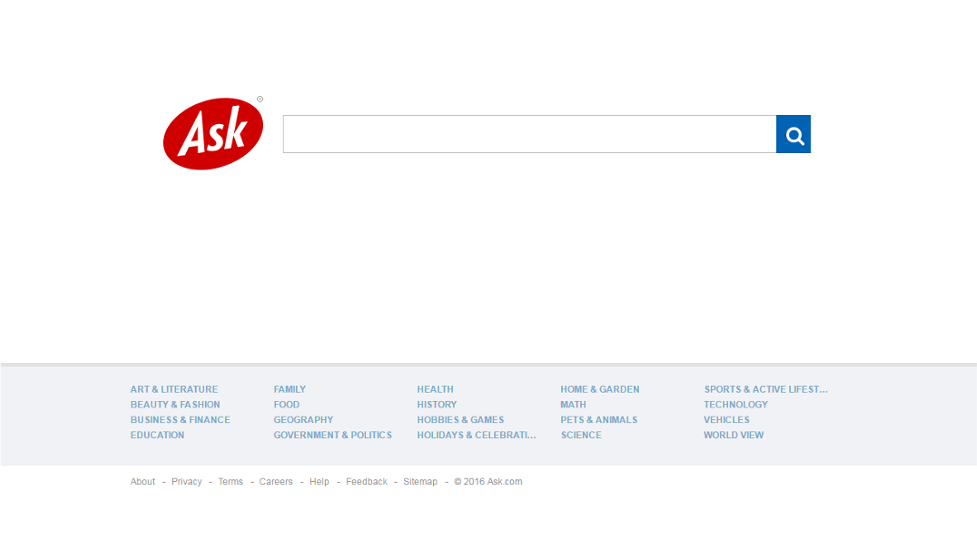
From its launch in 1996 as a natural-language search engine with the charming Jeeves mascot to its IPO and rapid growth in the late 1990s, Ask Jeeves captured public attention and shaped early web search experiences. However, increasing competition, technological limitations, and strategic challenges led to its acquisition by IAC in 2005 and rebranding as Ask.com in 2006. By the late 2000s and 2010s, the company pivoted away from full web search toward Q&A, reference content, and media properties, marking the end of its role as a mainstream search engine. Today, Ask survives in a niche content-focused form, serving as a reminder of the fast-moving evolution of the search industry.
Founded: 1996 — The Birth of Ask Jeeves
Ask Jeeves was founded in 1996 by Garrett Gruener and David Warthen in the United States. The platform officially launched as AskJeeves.com, positioning itself as a search engine that allowed users to ask questions in natural, conversational English rather than using keyword-based queries.
This approach was highly distinctive at the time, when most search engines relied on technical syntax and Boolean operators. The service was personified by its iconic butler mascot, “Jeeves,” which symbolized assistance, politeness, and ease of use. Early media coverage praised Ask Jeeves for making the web feel more accessible to non-technical users, helping it stand out during the early dot-com boom.
IPO and Growth: Late 1990s — Rapid Popularity and Rising Pressure
During the late 1990s, Ask Jeeves experienced rapid growth fueled by strong public interest in search technology and the broader internet economy. The company went public during the dot-com era, benefiting from high investor enthusiasm and increased brand visibility.
However, this period also marked the beginning of significant challenges. Ask Jeeves faced legal pressure, including patent disputes related to natural-language search technology, which consumed time and resources. At the same time, competition intensified as search engines like Google began delivering faster, more accurate, and more scalable results powered by advanced algorithms such as PageRank.
As user expectations increased, Ask Jeeves struggled to match competitors on search relevance, speed, and infrastructure, despite its strong brand recognition.
Acquired by IAC: 2005 — Rebranding and Strategic Reset
In 2005, Ask Jeeves was acquired by InterActiveCorp (IAC), a major media and internet conglomerate. The acquisition marked a turning point in the company’s strategy and identity.
In 2006, IAC officially rebranded the service as Ask.com, retiring the Jeeves butler mascot in an effort to modernize the brand and reposition it as a serious technology-driven search engine. While the rebrand aimed to shed a “novelty” image, it also removed one of the brand’s most recognizable elements.
Despite new investments and leadership changes, Ask.com continued to lose ground to Google, which by then had become the dominant global search engine.
Pivot Away from Full Web Search: Late 2000s–2010s
By the late 2000s and into the 2010s, Ask made a critical strategic decision to step back from competing directly in full-scale web search. Recognizing that it could not realistically challenge Google’s dominance, Ask shifted its focus toward question-and-answer content, reference information, and vertical content sites.
The company invested more heavily in owned properties such as dictionaries, how-to content, and community-driven Q&A formats. This pivot transformed Ask from a traditional search engine into more of a content and answers platform, prioritizing monetization through advertising and information services rather than pure search innovation.
While this move allowed Ask to survive as a brand, it effectively ended its role as a major player in the global search engine market.
Why Did Ask Jeeves Fail?
Ask Jeeves failed mainly because it could not keep pace with rapid advances in search technology and rising user expectations. Although it pioneered natural-language search and built strong early brand recognition with its Jeeves mascot, its search results were slower and less accurate than competitors, especially Google.
As Google’s superior algorithms, speed, and ecosystem quickly dominated the market, Ask Jeeves struggled with technical limitations, increasing competition, legal distractions, and unclear strategic direction. The later rebranding to Ask.com and a pivot away from full web search toward Q&A and content came too late, ultimately causing Ask Jeeves to lose relevance as a mainstream search engine.
1) Promise vs. technical reality: NLP early, but not strong enough
Ask Jeeves differentiated itself by supporting natural-language queries (“How do I fix a leaky faucet?”) at a time when many engines required keywords and boolean operators. That user-friendly approach worked as a marketing idea — but the underlying tech needed continuous, deep investment to match the rapidly improving ranking algorithms competitors were building. Over time, Ask’s core search relevancy and indexing algorithms lagged behind the advanced link-analysis and ranking methods that powered Google’s far superior results. This gap in search quality directly drove user preference away from Ask.
2) Branding choices: the butler was lovable — and limiting
The Jeeves butler made Ask instantly recognizable, but it also anchored the brand to a “question-and-answer” persona rather than a high-tech search powerhouse. In 2006 Ask dropped Jeeves to reposition as a modern search company, but by then the association with a quaint butler had already made it harder to be seen as a cutting-edge algorithmic contender against Google. The rebrand was painful: dropping a beloved mascot risks alienating loyal users while failing to change technical perception quickly enough.
3) Market consolidation and the Google juggernaut
Search is a winner-take-most market. Once Google’s ranking, speed, and relevance set standards, users consolidated habits around that single engine. Global search share figures from the 2000s onward show Google rapidly dominating the market — leaving very little room for mid-tier engines to survive as full-service search providers. Even when Ask tried feature moves (site previews, reference content acquisitions), the network effects of Google’s ecosystem (Gmail, Maps, Chrome, Android) kept users inside Google’s orbit.
4) Strategic and product pivots — too late or too scattered
After acquisition by IAC, Ask explored multiple strategies — from enhancing search UI to buying content sites (e.g., Dictionary.com family) and later emphasizing Q&A and answer-engine features. While reasonable attempts to find a sustainable niche, these pivots signaled instability and diluted product focus. Instead of double-downing on a single competitive advantage (e.g., creating a dramatically better natural-language answer engine), Ask spread across content and features that never reclaimed mass search relevance.
5) Legal and IP headwinds
Ask faced at least one notable patent suit in the late 1990s related to natural-language search technologies. Lawsuits, licensing disputes, and defensive legal posture can be costly — diverting engineering focus and cash. While not the primary cause of failure, such legal distractions compounded other strategic problems during a critical growth phase.
6) UX expectations and speed
As the web matured, users demanded fast, reliable results and clean, relevant SERPs. Google invested heavily in speed, minimal UX, and infrastructure. Ask introduced some visual features (like binocular previews) but struggled to make its search the fastest and most relevant option at scale. When users find a search engine that reliably answers them faster, they usually don’t switch back.
FAQ
Why did Google beat Ask Jeeves?
Google won because it delivered faster, more relevant, and more scalable search results. Its PageRank algorithm, clean interface, and relentless focus on infrastructure and speed set a new standard for search quality. While Ask Jeeves relied heavily on branding and early natural-language ideas, Google continuously improved ranking accuracy, built massive data advantages, and benefited from strong network effects through products like Gmail, Maps, Chrome, and Android.
Is ChatGPT like Ask Jeeves?
In concept, yes — but with a crucial difference. Like Ask Jeeves, ChatGPT allows users to ask questions in natural language. However, ChatGPT goes far beyond traditional search by generating contextual, conversational answers rather than just linking to web pages. Where Ask Jeeves depended on indexing and ranking existing content, ChatGPT uses large language models to understand intent, synthesize information, and interact dynamically — representing an evolution of the original “ask a question, get an answer” idea that Ask Jeeves pioneered.
What came first, Google or Ask Jeeves?
Ask Jeeves came first. Ask Jeeves was founded in 1996, while Google was founded later, in 1998. Despite being the later entrant, Google rapidly surpassed Ask Jeeves by offering superior technology and a better overall search experience.
How much was Ask Jeeves sold for?
Ask Jeeves was acquired by InterActiveCorp (IAC) in 2005 for approximately $1.85 billion. After the acquisition, the company was rebranded as Ask.com in 2006, and the Jeeves mascot was retired.
What was Google called before 2015?
Before 2015, Google wasn’t always known by its famous name. Initially, the search engine was called Backrub. Shortly afterward, it was renamed Google, a playful twist on the mathematical term for a 1 followed by 100 zeros, or “googol.” The new name reflected founders Larry Page and Sergey Brin’s ambitious mission: to organize the world’s information and make it universally accessible and useful.